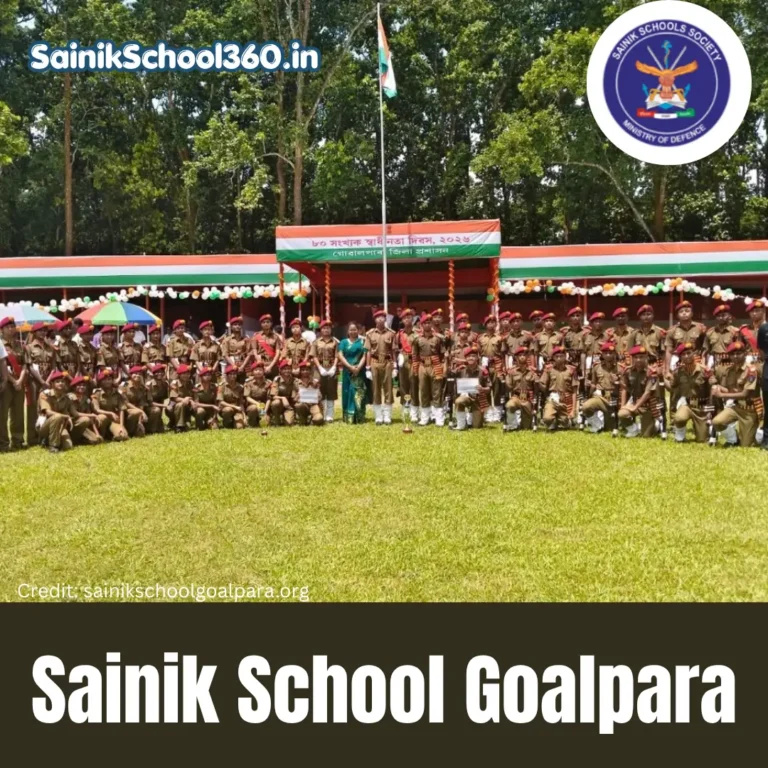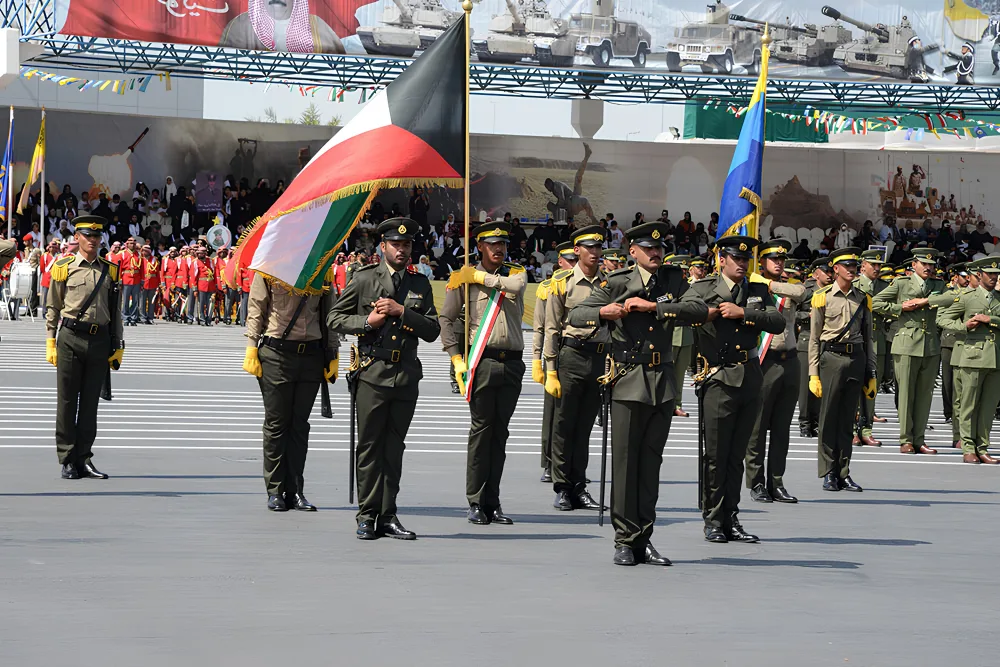
Explore the journey of Sainik School alumni toward international careers, including the path to West Point, U.S. military eligibility, leadership and life beyond India.A Sainik School student begins the day early. There is a uniform to wear, a timetable to follow, classes to attend and a parade ground waiting outside. For many children, those routines become an ordinary part of school life.
Years later, some former students find themselves on an entirely different continent. Join US Military, Defence, Navy and opited the international careers in differenct countries.
The surroundings may have changed from an Indian Sainik School campus to an American military institution, but some of the habits learned during those early years remain familiar: discipline, physical fitness, teamwork, confidence, leadership and the ability to take responsibility.
Sainik School Alumni in US Military
Stories of Sainik School alumni who have gone on to build careers outside India are a reminder that the influence of these schools does not necessarily end at the school gate. In particularly unusual cases, former students have pursued opportunities connected with the United States military and institutions such as the United States Military Academy at West Point.
The journey is neither simple nor a formal pathway. A Sainik School education does not provide automatic entry into the U.S. military. Admission to West Point and commissioning in the U.S. Army are subject to American laws and eligibility requirements.
Still, the connection makes for an interesting story: how can an education received on an Indian parade ground remain relevant when a former student eventually finds himself thousands of miles away in the United States?
What Makes Sainik School Education Different?
Sainik Schools occupy a distinctive place in India’s school education system.
The schools were established with the broader aim of preparing young students for disciplined and responsible lives, including encouraging suitable candidates to pursue careers in the Armed Forces.
Students live in a structured residential environment where academics form only one part of daily life.
Their routine can include:
- Classroom education
- Sports and physical training
- Drill and parade
- House activities
- Team competitions
- Leadership responsibilities
- Cultural and extracurricular programmes
- Hostel life and shared responsibilities
For a child, these activities can initially feel like a demanding routine. Over time, however, they can become habits.
A student learns to reach a place on time, maintain personal discipline, work with classmates and perform responsibilities even when the task is not particularly enjoyable.
Those are simple lessons, but they can prove useful much later in life.
From an Indian Sainik School to an American Military Academy
At first glance, Sainik Schools and West Point may appear to belong to the same educational tradition. There are certainly similarities in areas such as discipline, leadership, physical development and teamwork.
However, the two institutions have very different roles.
Sainik Schools are secondary-level residential schools in India. Their students are generally children and teenagers.
West Point, officially the United States Military Academy, is a U.S. institution of higher education. Cadets receive a university education alongside military training and leadership development before entering commissioned service in the U.S. Army.
Therefore, attending a Sainik School does not mean that a student is automatically on a route to West Point.
Any former Sainik School student who wants to pursue such an opportunity must separately satisfy the requirements established by the United States.
That makes the journey of an individual who manages to cross both educational systems especially noteworthy.
Also Read: Sainik School Admission 2027-28
Sainik School Vs West Point Comparison
The comparison becomes clearer when the two institutions are viewed side by side.
| Sainik Schools | West Point |
|---|---|
| Located in India | Located in the United States |
| Residential school environment | Four-year military academy |
| Primarily school-level education | Undergraduate higher education |
| Strong focus on discipline and physical fitness | Academic, military, physical and character development |
| Prepares students for various future careers, including defence | Prepares cadets for commissioned service in the U.S. Army |
| Does not guarantee admission to West Point | Has its own U.S. admission and nomination process |
The similarities are therefore mainly about values and development, not institutional structure.
Why the Sainik School Experience Can Matter Later
There is no single quality that determines whether someone will become a successful military officer.
Academic ability, physical fitness, judgement, communication, character and the ability to work with others all matter.
But Sainik School life can introduce students to several of these qualities at an early age.
Discipline
A structured daily routine teaches students that time matters.
Getting ready for school, attending classes, taking part in physical activities and completing responsibilities within a fixed schedule gradually develops self-discipline.
Teamwork
Sainik School students spend much of their time around other students.
Sports teams, houses, dormitories and group activities require cooperation. Students learn that an individual’s actions can affect the wider group.
Sainik School leadership
Leadership opportunities often begin with relatively small responsibilities.
A student may be asked to lead a group, organise an activity or take responsibility for younger students.
These experiences provide an early understanding of what it means to be accountable for others.
Physical Fitness
Sports and physical training are an important part of the Sainik School environment.
Fitness is not only about athletic performance. It can also teach perseverance and the importance of continuing when something becomes difficult.
Independence
For many students, residential school is their first prolonged experience away from their families. Managing daily routines, friendships, studies and responsibilities can help children become more independent.
These qualities do not guarantee a military career, but they can provide a useful foundation.
The Difficult Part: Moving Between Countries
Sainik School Alumni West Point: The distance between India and the United States is not simply geographical. Here you can find out the Sainik School International alumni career details.
Someone moving from an Indian school system into American higher education and military service has to adapt to a different society and a different institutional framework.
The person may have to deal with questions involving:
- U.S. citizenship or other eligibility requirements
- Educational qualifications
- Admission procedures
- Nomination or appointment requirements
- Medical standards
- Physical fitness
- Immigration and legal status
- Cultural adjustment
For this reason, anyone interested in West Point should rely on current official U.S. government and academy information rather than assuming that a Sainik School background itself creates eligibility.
The requirements can change, and individual circumstances can make a significant difference.
West Point: Why the Academy Matters
West Point has a long history in the United States and is one of the country’s best-known military institutions. Candidates who want to make career after Sainik School so they can go for West Point admission for Indian Students as an International Career.
The academy combines academic education with military instruction and leadership development. Cadets study university subjects while also preparing for the responsibilities associated with becoming Army officers.
Its reputation extends well beyond the United States.
Graduates have gone on to serve in senior military positions, government, business and other areas of public life.
For someone who grew up in an Indian Sainik School, the environment at West Point may therefore feel both familiar and completely new.
The emphasis on discipline and leadership can seem familiar.
The American military system, culture and educational structure are not.
Sainik School Alumni: A Legacy That Goes Beyond the Armed Forces
Sainik School Career Opportunities: It is easy to associate Sainik Schools only with military careers.
That would give an incomplete picture of their alumni.
Former Sainik School students have entered many different professions. Some become officers in the Armed Forces, while others pursue careers in medicine, engineering, administration, business, education, technology and other fields.
This is important when discussing alumni who eventually live or work abroad.
The value of Sainik School education does not depend entirely on whether a student eventually wears a military uniform. The larger contribution lies in the habits and values developed during those formative years.
When School Lessons Travel Across Borders
A student may leave a Sainik School at the age of 16 or 18.
But leaving the campus does not necessarily mean leaving behind everything learned there. Consider something as ordinary as punctuality.
At school, arriving on time may simply mean avoiding punishment or maintaining routine. As an adult, the same habit can become part of professional behaviour.
The same is true of teamwork.
A school sports competition teaches a child to cooperate with teammates. Years later, the ability to work with people from different backgrounds may become an important professional skill.
This is how education often works.
Its effects are not always visible immediately.
The Human Story Behind the Uniform
There is also a personal side to these journeys.
A Sainik School student grows up surrounded by familiar sights: the school uniform, hostel corridors, playing fields, parade grounds and friends.
Later, that same person may build a life in another country.
The accent may change.
The surroundings may change.
The professional responsibilities may become much greater.
Yet memories of school can remain surprisingly strong.
For alumni who pursue military careers abroad, their childhood education becomes an unusual part of their personal story—a link between where they started and where they eventually arrived.
Does Sainik School Have a Direct Connection With the U.S. Military?
No.
This distinction is important.
Sainik Schools are part of India’s education system and have historically been associated with preparing young people for careers in India’s Armed Forces.
West Point belongs to the United States military education system.
There is no general Sainik School-to-West Point admission route that allows a student to move directly from one institution to the other.
An individual may, however, have attended a Sainik School earlier in life and later pursue education or military opportunities in the United States if he or she meets the relevant American requirements.
That is an individual educational and professional journey, not a formal exchange programme.
Why These Alumni Stories Are Worth Remembering
Sainik School Achievements: Stories about Sainik School alumni often focus on medals, military ranks and professional achievements.
- Those achievements are certainly important.
- But there is another side to the story.
- Every successful alumnus began as a student.
- There was a first parade.
- A first sports competition.
- A first leadership responsibility.
- A first time living away from home.
Those experiences may appear small when they happen, but they can gradually shape a person’s attitude towards responsibility and service.
When an alumnus later succeeds in a demanding environment overseas, the story becomes an example of how early education can influence an entire career.
Also Check:
A Journey From India to America
West Point Admission for Indian Students: The idea of a former Sainik School student eventually reaching an American military institution is unusual precisely because there is no straightforward road between the two.
It can involve years of education, personal decisions, legal requirements and adaptation to a new country.
That is what makes such stories interesting.
The journey is not simply about moving from one military-style campus to another.
It is about carrying one set of experiences into an entirely different environment.
The lessons of the Sainik School parade ground may have been learned in India, but qualities such as discipline, resilience, teamwork and leadership can remain useful anywhere in the world.
The Larger Legacy of Sainik Schools
The success of the Sainik School system should not be measured only by how many students eventually become military officers.
Its wider legacy can be seen in the lives of its alumni.
Some serve the country in uniform.
Some work in public administration.
Some become professionals and entrepreneurs.
Some settle overseas and build careers in other countries.
Their paths may be completely different, but the foundation laid during their school years can remain part of their identity.
For that reason, the story of Sainik School alumni reaching international institutions is ultimately a story about education and opportunity.
The parade ground may be in India.
The next chapter may be in America.
But the values learned as a young student can travel a very long way.
Sainik School Alumni West Point FAQs
-
Can a Sainik School student directly apply to West Point?
A Sainik School student cannot enter West Point through a special Sainik School quota or direct admission route. Anyone seeking admission must meet the current eligibility and appointment requirements established by the United States Military Academy and U.S. authorities.
-
Is West Point the American equivalent of a Sainik School?
No. The two institutions serve different purposes. Sainik Schools are residential schools for school-age students in India, while West Point is a U.S. military academy providing undergraduate education and preparing cadets for service as U.S. Army officers.
-
Does Sainik School education help students become military leaders?
Sainik Schools provide an environment that emphasises discipline, teamwork, physical fitness, leadership and character. These qualities can be helpful for students who later choose military careers, although success ultimately depends on the individual.
-
Do all Sainik School alumni join the Armed Forces?
No. Sainik School alumni work in many professions. While the schools have a strong defence-oriented history, students are not limited to military careers.
-
Can an Indian student become a U.S. military officer?
Eligibility for U.S. military service depends on American law and the requirements applicable to the particular service and career route. Citizenship and other conditions can be important. Students should check the latest official U.S. government and military information before making plans.
-
What is West Point?
West Point is the common name for the United States Military Academy in New York. It provides undergraduate education, military training and leadership development for future U.S. Army officers.
-
Why are Sainik School alumni stories important?
They show how the education and experiences gained during childhood can influence people long after they leave school. Alumni who build careers in different countries also demonstrate the increasingly international paths available to people with diverse educational backgrounds.
Disclaimer: The information shared about Sainik School Alumni in the U.S. Military just for education, reference and information purpose only.